Huntington’s newest designated historic landmark is a small wood framed building that served as one of the last blacksmith shops in Huntington village.
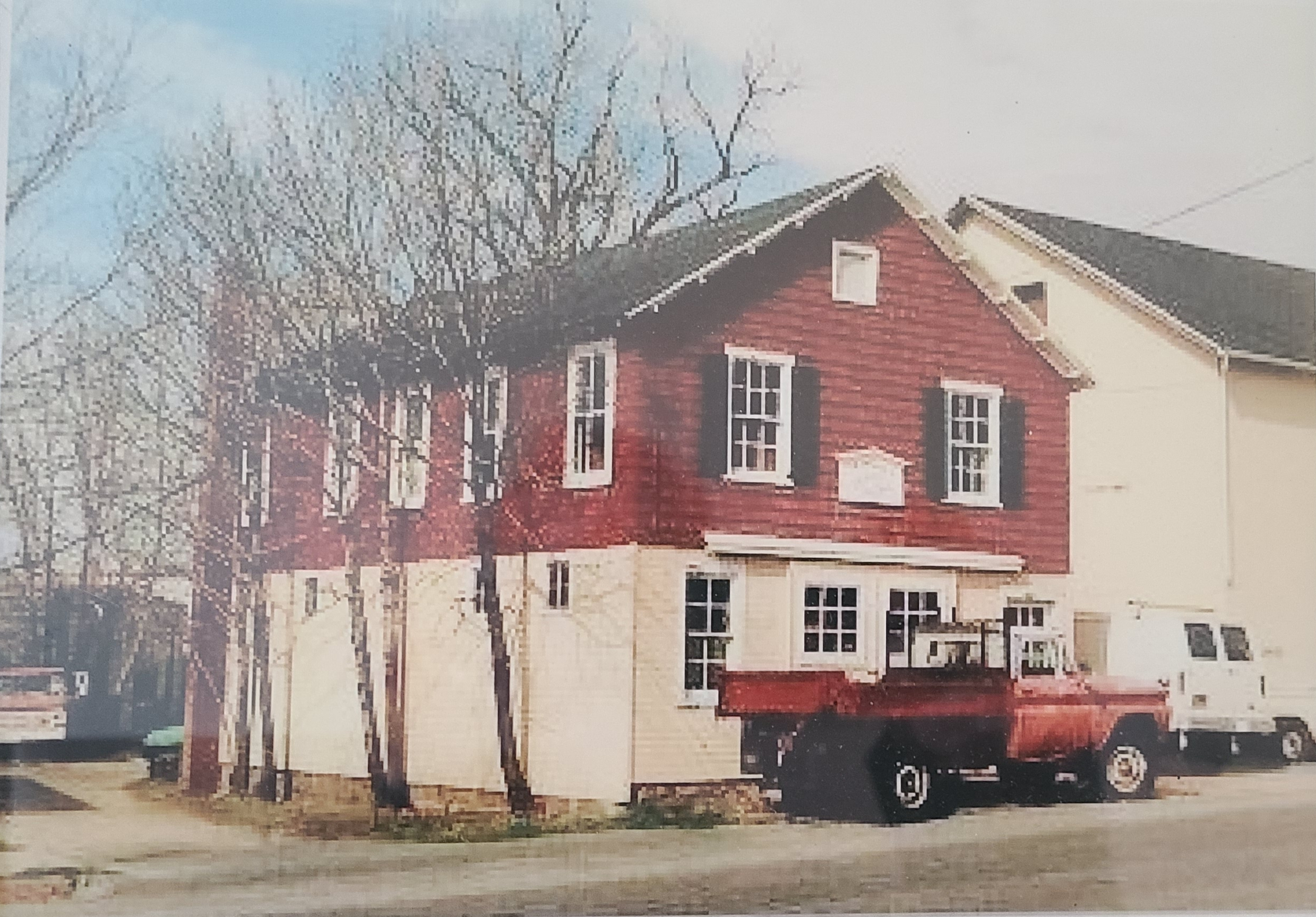
The building stands on what had been the Zophar Oakley property. The 12-acre site was subdivided by a local real estate syndicate in 1892 (See The Stuart Block). In 1909, William Brahm constructed this building on the east side New York Avenue north of Gerard Street to serve as the blacksmith shop for Edward Place.
In 1911, Frederick Gallienne moved the building to First Street (now known as Gerard Street) onto property Place had acquired from Hiram Baylis. Originally one story, a second floor was added some time between 1914 and 1922.

Place lived on Elm Street in Huntington village, but by the 1920s appears to have lived with his wife on the second floor of the shop. When he died in 1928 at age 55, his address was given as First Street. According to his obituary:
Mr. Place specialized in racing and saddle horses, and on more than one occasion was solicited as horseshoer (sic) on the grand circuit. He had a movable forge and went to various estates to shoe their fancy horses. . . . Mr. Place was always the owner of fast stepping horses, and has won in many racing events. [The Long-Islander, April 6, 1928]
An updated 1930 Sanborn map identifies the building as a dwelling upstairs and a garage on the first floor. According to the 1950 census, Joseph Jordan, an African American chauffeur, lived there with his wife Lula, their nephew, and a boarder and his wife. Later, it was home to James and Clara Selvy, who had lived across the street in 1950.
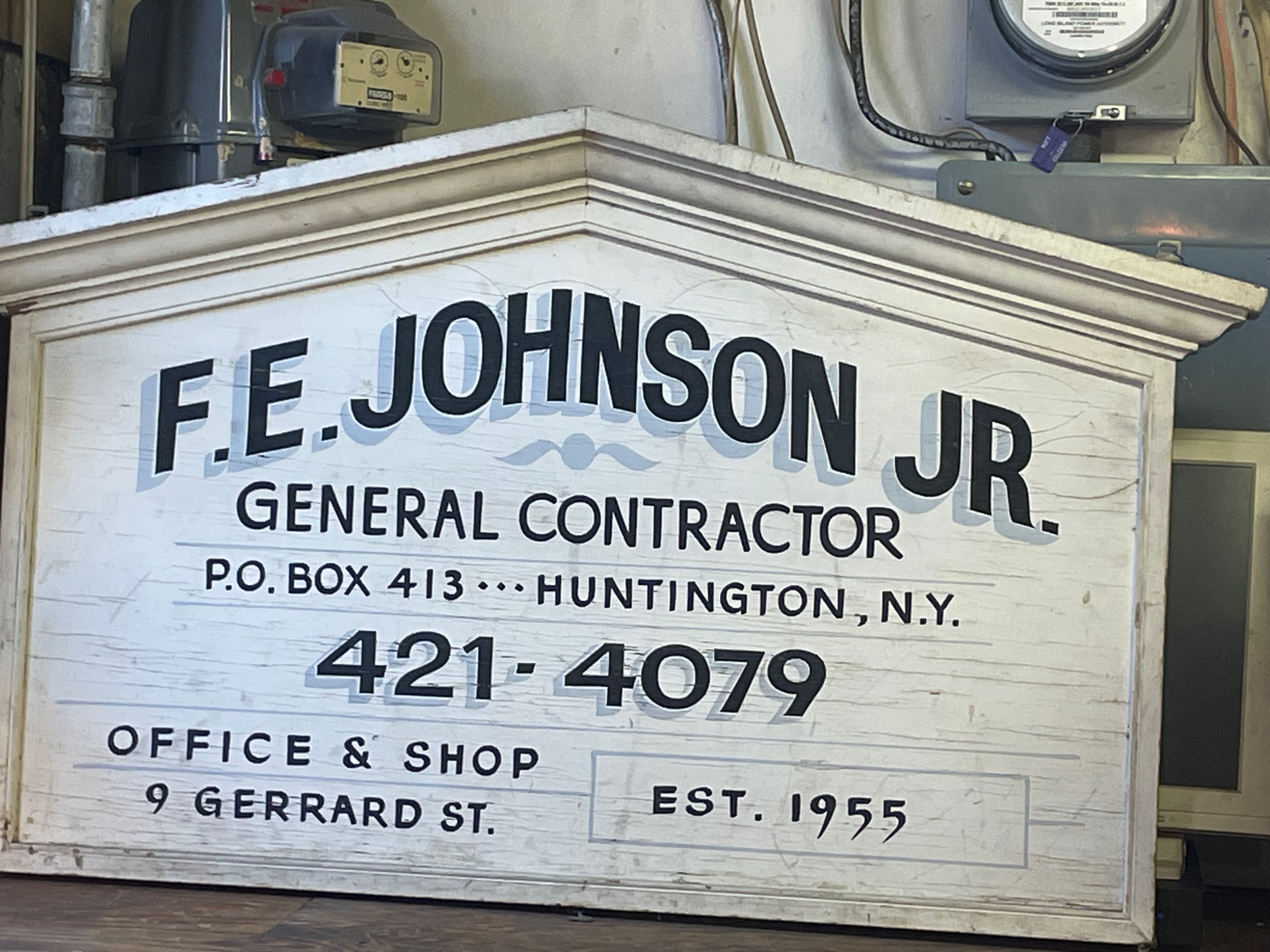
The most recent owner and resident of the building was Frank E. Johnson, Jr., who recently passed away. Johnson acquired the building in 1979 and used the lower level as his workshop for his contracting business. He moved into one of the two second-floor apartments in the mid-1980s.
The Town Board designated the shop as a local historic landmark on March 12, 2024 because it is a unique survivor of Huntington village’s equestrian past. At one time there had been several blacksmith shops and livery stables in the village. Now the Edward Place Blacksmith Shop is the only survivor and the only connection to the days when horses provided the primary means of transportation. It is one of the few surviving wood frame buildings in the downtown commercial center and, as such, has become a familiar feature of the area.
 Huntington History
My grandparents is James and Clara Selvy. We had many happy memories and holidays in the second floor of this building. My uncle would build barbecue pits out of cinder blocks in the driveway close to the icehouse. (wall closes to Steward Avenue) Wonderful times.